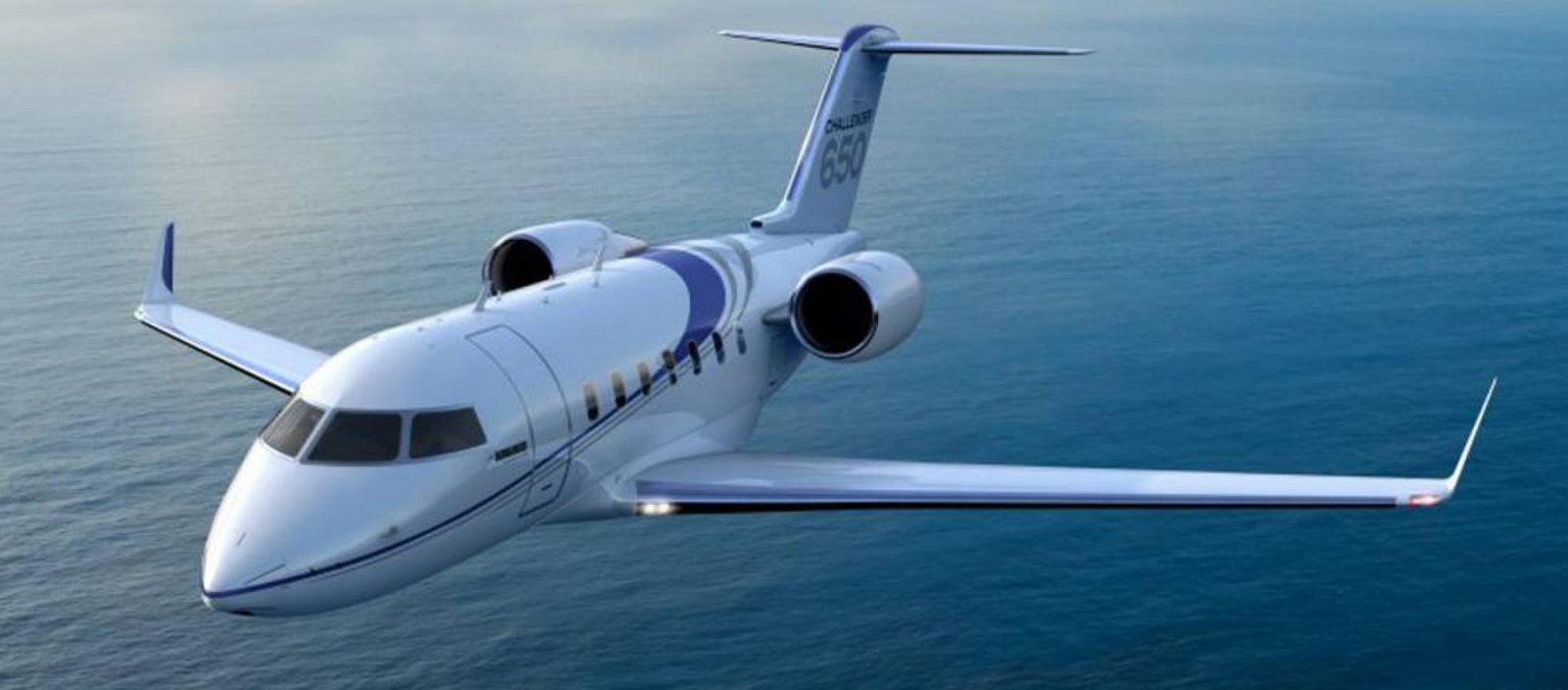
Bombardier’s Challenger family represents two distinct approaches to business aviation excellence. The Challenger 350 (super-midsize) and the Challenger 650 (large cabin) each offer compelling advantages, catering to different mission profiles and passenger requirements. While both are renowned for their reliability, comfort, and performance, understanding their differences is essential for making an informed decision.
Overview and Historical Context
Bombardier Challenger 350: The Super-Midsize Leader
The Challenger 350 first flew in March 2013 and was unveiled at the European Business Aviation Convention & Exhibition (EBACE) shortly thereafter. It received Transport Canada and FAA certification in June 2014, followed by EASA certification in September 2014. As an upgraded variant of the successful Challenger 300, the 350 features greater engine thrust, new canted winglets, a refined interior with 20% larger windows, and advanced avionics. By May 2020, a total of 355 Challenger 350 business jets had been built.
Bombardier Challenger 650: The Large Cabin Evolution
The Challenger 650 represents the latest evolution of the CL-600 platform, which began with the Challenger 600 in 1980. The 604 was introduced in 1995 with more powerful engines and structural improvements, followed by the 605 in 2005 with avionics and structural upgrades. The Challenger 650 was first announced at NBAA in 2014, with NetJets serving as the launch customer. It entered service in 2015 and features upgraded GE CF34-3B engines, two additional executive seats (accommodating up to 12 passengers), and larger galley appliances for faster meal preparation. A total of 158 Challenger 650 aircraft have been built.
Cabin Comparison: Space, Comfort, and Passenger Experience
The most significant difference between these two aircraft lies in their cabin dimensions and passenger capacity.
Challenger 350 Cabin
The Challenger 350 offers a spacious and well-appointed cabin designed for comfort and productivity.
| Specification | Challenger 350 |
|---|---|
| Cabin Length | 28 ft 7 in (8.71 m) |
| Cabin Width | 7 ft 2 in (2.18 m) |
| Cabin Height | 6 ft 1 in (1.85 m) |
| Cabin Volume | 860 – 1,246 cu ft |
| Typical Passengers | 8 – 10 |
| Baggage Capacity | 212 cu ft |
Interior Highlights:
- Larger windows with excellent natural lighting and newly designed frames
- Touch screen cabin controls for easy, intuitive operation
- LHT nice® HD Cabin Management System including two 22-inch HD monitors
- Ten-passenger seating configuration in standard corporate layouts
- Forward galley with microwave, coffee maker, and supplemental equipment
Challenger 650 Cabin
The Challenger 650 features the widest cabin in its class, providing passengers with exceptional space to move around freely and safely.
| Specification | Challenger 650 |
|---|---|
| Cabin Length | 25 ft 7 in (7.80 m) |
| Cabin Width | 7 ft 11 in (2.41 m) |
| Cabin Height | 6 ft 0 in (1.83 m) |
| Cabin Volume | 1,146 cu ft |
| Typical Passengers | 9 – 12 |
| Baggage Capacity | 7.8 m³ (approx. 275 cu ft) |
Interior Highlights:
- Widest cabin in its class – 7 ft 11 in (2.41 m)
- Flexible floor plans with multiple seating configurations
- Berthable divan in the aft lounge area
- Conference/dining area with fold-out tables
- Extended lavatory providing additional luxury and convenience
- Large windows allowing plenty of natural lighting
- Unlimited access to baggage during flight
- Luxurious materials including wood and stone flooring options
Performance and Range: Powering Different Missions
The performance characteristics of these two aircraft reflect their different mission profiles.
Challenger 350 Performance
The Challenger 350 is powered by two Honeywell HTF7350 turbofan engines, each producing 7,323 pounds of thrust. These engines represent a 7.3% thrust increase over the Challenger 300’s powerplants.
| Performance Metric | Challenger 350 |
|---|---|
| Range (8 passengers) | 3,200 nm (5,926 km) |
| Range (4 passengers, NBAA IFR) | 3,250 nm |
| Maximum Cruise Speed | 470 kts (870 km/h) |
| Long-Range Cruise Speed | 459 kts (850 km/h) |
| Service Ceiling | 45,000 ft (13,716 m) |
| Takeoff Distance | 4,829 ft (1,472 m) |
| Landing Distance | 2,302 ft (702 m) |
| Maximum Takeoff Weight | 40,600 lb (18,416 kg) |
Range Capability:
The Challenger 350’s 3,200 nautical mile range enables non-stop flights such as Paris to Dubai or Geneva to Lagos, making it a true transcontinental aircraft.
Airfield Performance:
With a takeoff distance of just 4,829 feet, the Challenger 350 can operate from a wide range of airports, including those with shorter runways.
Challenger 650 Performance
The Challenger 650 is powered by two General Electric CF34-3B engines, each producing 8,729 – 9,220 pounds of thrust. The GE engines offer 5% more thrust than previous models, providing enhanced takeoff and climb performance.
| Performance Metric | Challenger 650 |
|---|---|
| Range (8 passengers) | 4,000 nm (7,408 km) |
| Range (4 passengers, NBAA IFR) | 4,011 nm |
| Maximum Cruise Speed | 470 kts (870 km/h) |
| Long-Range Cruise Speed | 424 kts (785 km/h) |
| Service Ceiling | 41,000 ft (12,497 m) |
| Takeoff Distance | 5,640 ft (1,719 m) |
| Landing Distance | 2,365 ft (721 m) |
| Maximum Takeoff Weight | 48,200 lb (21,863 kg) |
Range Capability:
The Challenger 650’s 4,000 nautical mile range enables true intercontinental missions, such as Geneva to Mumbai. This extended range provides greater flexibility for long-haul international travel.
Airfield Performance:
With a takeoff distance of 5,640 feet, the Challenger 650 requires longer runways than the Challenger 350, reflecting its larger size and weight.
Avionics and Technology
Challenger 350 Avionics
The Challenger 350 features the Rockwell Collins Pro Line 21 Advanced avionics suite. Key components include:
- Four adaptive LCD displays (AFD-5220E EFIS/MFD)
- Synthetic Vision System (SVS) providing a 3D landscape view
- Dual ADC-3000 Air Data Computers
- Dual IR-600 Inertial Reference Units
- Dual FGC-3002 Flight Guidance Computers
- MultiScan weather radar
- Engine Instrument/Crew Alerting System (EICAS)
- Paperless cockpit capability
The Pro Line 21 Advanced system provides pilots with increased situational awareness and reduced workload. The Synthetic Vision System displays terrain, obstacles, and runway information in a 3D format, enhancing safety in all weather conditions.
Challenger 650 Avionics
The Challenger 650 is equipped with the Collins Pro Line 21 avionics suite, similar to the Challenger 350 but with additional capabilities befitting its larger size and longer missions.
Engine Comparison
| Specification | Challenger 350 | Challenger 650 |
|---|---|---|
| Engine Model | Honeywell HTF7350 | GE CF34-3B |
| Thrust per Engine | 7,323 lbs | 8,729 – 9,220 lbs |
| Combined Fuel Burn | 255 GPH | 227 GPH |
| Thrust Increase Over Previous Model | +7.3% | +5% |
Complete Side-by-Side Comparison
| Feature | Challenger 350 | Challenger 650 |
|---|---|---|
| Category | Super-Midsize Jet | Large / Heavy Jet |
| First Flight | March 2013 | 2014 (announced) |
| Certification | June 2014 | 2015 |
| Total Built | 355 | 158 |
| Passengers (Typical) | 8 – 10 | 9 – 12 |
| Range | 3,200 nm (5,926 km) | 4,000 nm (7,408 km) |
| Max Cruise Speed | 470 kts (870 km/h) | 470 kts (870 km/h) |
| Long-Range Speed | 459 kts (850 km/h) | 424 kts (785 km/h) |
| Service Ceiling | 45,000 ft (13,716 m) | 41,000 ft (12,497 m) |
| Takeoff Distance | 4,829 ft (1,472 m) | 5,640 ft (1,719 m) |
| Landing Distance | 2,302 ft (702 m) | 2,365 ft (721 m) |
| Engines | 2x Honeywell HTF7350 | 2x GE CF34-3B |
| Thrust per Engine | 7,323 lbs | 8,729 – 9,220 lbs |
| Combined Fuel Burn | 255 GPH | 227 GPH |
| Cabin Length | 28 ft 7 in (8.71 m) | 25 ft 7 in (7.80 m) |
| Cabin Width | 7 ft 2 in (2.18 m) | 7 ft 11 in (2.41 m) |
| Cabin Height | 6 ft 1 in (1.85 m) | 6 ft 0 in (1.83 m) |
| Cabin Volume | 860 – 1,246 cu ft | 1,146 cu ft |
| Baggage Capacity | 212 cu ft | 7.8 m³ (approx. 275 cu ft) |
| Max Takeoff Weight | 40,600 lb (18,416 kg) | 48,200 lb (21,863 kg) |
| Avionics | Collins Pro Line 21 Advanced | Collins Pro Line 21 |
| Synthetic Vision | Standard | Available |
Which Challenger Is Right for Your Mission?
Choose the Challenger 350 if:
1. You Need a Super-Midsize Jet for Regional and Transcontinental Travel
With a range of 3,200 nautical miles, the Challenger 350 can comfortably handle routes such as Paris to Dubai or Geneva to Lagos. This range covers most transatlantic and transcontinental missions without the need for refueling stops.
2. Your Typical Passenger Count Is 8 to 10 People
The Challenger 350’s cabin is optimized for 8 to 10 passengers in a comfortable corporate configuration. This makes it ideal for business teams, small groups, and family travel.
3. You Operate from Airports with Shorter Runways
With a takeoff distance of just 4,829 feet, the Challenger 350 can access a wider range of airports, including those with shorter runways and more restrictive operating conditions.
4. You Value Advanced Avionics and Modern Technology
The Challenger 350’s Collins Pro Line 21 Advanced avionics suite with Synthetic Vision System provides pilots with exceptional situational awareness and reduced workload.
5. You Appreciate the Super-Midsize Class Advantages
The Challenger 350 offers the ideal balance of cabin comfort, performance, and operational flexibility that defines the super-midsize category.
Choose the Challenger 650 if:
1. You Require True Intercontinental Range
With a range of 4,000 nautical miles, the Challenger 650 enables non-stop flights such as Geneva to Mumbai. This extended range provides greater flexibility for international travel without the need for refueling stops.
2. You Need to Accommodate 10 to 12 Passengers
The Challenger 650 features two additional executive seats, accommodating up to 12 passengers in standard configurations. This makes it ideal for larger groups and corporate teams.
3. You Want the Widest Cabin in Its Class
The Challenger 650 offers the widest cabin in its class at 7 feet 11 inches (2.41 meters). This provides exceptional space for passengers to move around freely and comfortably during long flights.
4. You Need Maximum Cabin Flexibility
The Challenger 650 offers multiple floor plans and seating configurations, including conference/dining areas, berthable divans, and extended lavatories. This versatility supports a wide range of mission profiles, from business meetings to leisure travel.
5. You Value the Proven CL-600 Platform
The Challenger 650 represents the latest evolution of the CL-600 platform, which has been refined over decades of production. This proven heritage ensures exceptional reliability and support.
Summary: Choosing Your Challenger
| Consideration | Challenger 350 | Challenger 650 |
|---|---|---|
| Primary Mission | Transcontinental / Regional | Intercontinental / Global |
| Range | 3,200 nm | 4,000 nm |
| Passengers | 8 – 10 | 9 – 12 |
| Cabin Width | 7 ft 2 in | 7 ft 11 in (widest in class) |
| Takeoff Distance | 4,829 ft | 5,640 ft |
| Service Ceiling | 45,000 ft | 41,000 ft |
| Avionics | Collins Pro Line 21 Advanced | Collins Pro Line 21 |
Final Thoughts
The Challenger 350 and Challenger 650 represent two distinct approaches to business aviation excellence. The Challenger 350 excels as a super-midsize jet offering exceptional range, advanced avionics, and a comfortable cabin for 8-10 passengers. Its shorter takeoff distance and lower operating weight provide greater flexibility in airport access.
The Challenger 650, with its widest-in-class cabin and 4,000-nautical-mile range, is the ideal choice for operators requiring intercontinental capability and larger passenger capacity. Its proven CL-600 platform and powerful GE engines ensure reliable performance on the longest missions.
Both aircraft benefit from Bombardier’s renowned quality, extensive support network, and the trust of operators worldwide. Whether you choose the super-midsize Challenger 350 or the large-cabin Challenger 650, you are selecting an aircraft that delivers exceptional performance, comfort, and value in its class.