
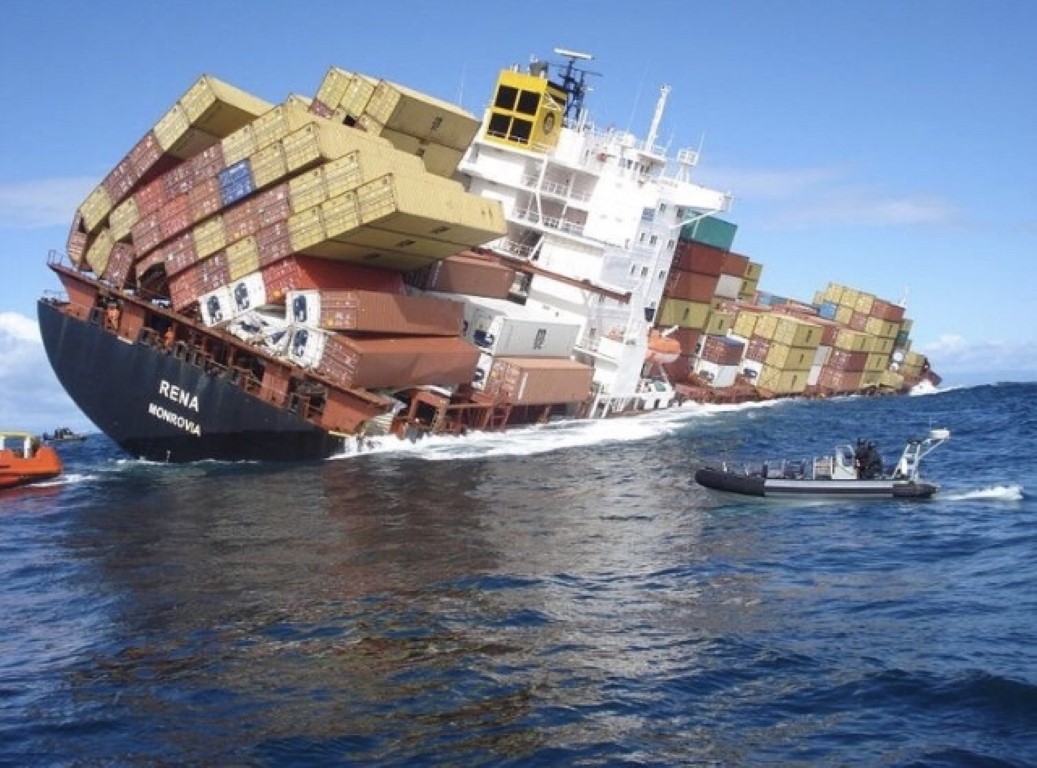
Why Sea Freight Is Not Always the Safest Option

Air Cargo as a Practical Risk Management Solution
By contrast, air cargo—particularly air cargo charter—offers a significantly lower operational risk profile. Aircraft operate within a controlled environment, with shorter transit times, fewer handling points, and a clear and predictable route from departure to delivery.
Cargo Types That Require Air Charter Solutions
Dangerous Goods (DG)
Shipments classified as Dangerous Goods require specialized handling, loading procedures, and full regulatory compliance, including Dangerous Goods Declaration (DGD).
Restricted & Controlled Cargo
Cargo subject to export and import controls requiring End User Certificates (EUC), permits, and trade compliance documentation.
Oversized & Heavy Cargo
Industrial machinery and project cargo requiring dedicated aircraft selection, payload calculations, and suitable airport infrastructure.
Pharmaceutical & Medical Cargo
Time- and temperature-sensitive shipments such as medicines, vaccines, and medical equipment that cannot tolerate delay or uncontrolled storage.
High Value Cargo (VAL)
High value cargo is defined by exposure to loss, theft, or tampering rather than urgency. Examples include jewelry, confidential documents, legal records, and financial shipments.
Urgent / Time-Critical Cargo (URG)
Urgent cargo derives its value from time. Typical examples include aircraft spare parts (AOG), factory shutdown components, and emergency operational equipment.
Cargo Documentation as Part of the Operation
Each air cargo movement is supported by a complete documentation file aligned with the cargo profile and destination requirements, including:
- Air Waybill (AWB)
- Commercial Invoice & Packing List
- End User Certificate (EUC)
- Certificate of Origin (COO)
- Dangerous Goods Declaration (DGD)
Conclusion
Air cargo charter is selected not because it is expensive, but because losing cargo at sea is more costly. When risk exposure is high or time is non-negotiable, air transport becomes a practical risk management decision.