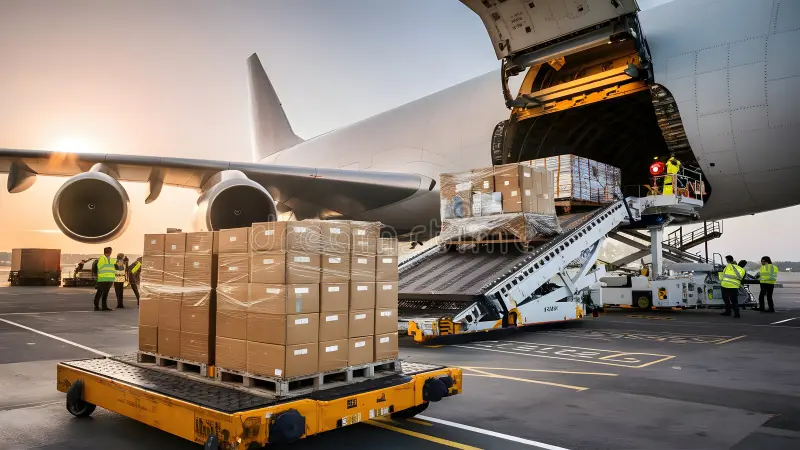
Air cargo refers to the transportation of goods by aircraft, renowned as the fastest method for moving products across continents. It is a critical pillar of global trade, connecting markets and supply chains with unmatched efficiency.
The 9 Essential Types of Air Cargo Shipments
From everyday parcels to highly specialized consignments, goods shipped by air fall into distinct categories. Here is a detailed guide to the nine primary types of air cargo.
1. General Cargo: The Backbone of Air Freight
General cargo encompasses standard, non-perishable items like electronics, textiles, and manufactured parts. These goods are shipped in regular boxes or on pallets, requiring no special handling during transit.
2. Special Cargo: For Unique and Valuable Items
Special cargo covers unique, high-value, or delicate items such as artwork, antiques, or musical instruments. Their transport demands customized packaging, enhanced security protocols, and meticulous coordination.
3. Live Animals: Transport with Care and Compliance
The transport of live animals—including pets, livestock, and endangered species—requires approved, ventilated containers and strict adherence to international animal welfare regulations (IATA LAR) to ensure safety and comfort.
4. Dangerous Goods: Shipping Under Strict Regulation
Dangerous Goods (DG) such as batteries, chemicals, and aerosols must be shipped in UN-certified packaging with precise documentation and hazard labels, complying fully with IATA Dangerous Goods Regulations (DGR).
5. Perishable Cargo: Racing Against Time
Perishable cargo includes items like fresh cut flowers, fruits, seafood, and vegetables. To prevent spoilage, they are shipped swiftly in temperature-controlled cool containers with prioritized handling.
6. Temperature-Controlled Cargo: Precision Climate Management
Beyond basic cooling, temperature-controlled cargo (also known as cold chain logistics) maintains an exact temperature range. This is vital for pharmaceuticals, vaccines, biologics, and certain foods throughout their journey.
7. High-Value Cargo: Maximum Security Transport
Shipments classified as high-value cargo—such as jewelry, precious metals, bullion, and high-end electronics—are moved with tamper-proof seals, GPS tracking, and often under surveillance to mitigate theft and loss risks.
8. Mail: The Foundation of Aerial Logistics
Mail cargo forms a vast network for letters, documents, and parcels. Operated by postal authorities and courier services like EMS, it is consolidated in secure mail bags for efficient global sorting and delivery.
9. Humanitarian & Medical Cargo: Lifesaving Missions
This sensitive category handles urgent medical supplies, transplant organs, blood, and human remains. Transport is characterized by absolute priority, careful handling, and coordinated handovers for timely, dignified delivery.
Top Advantages of Choosing Air Cargo
Air cargo is the optimal choice when speed, reliability, and security are paramount. Its core benefits include:
- Unmatched Speed: The fastest mode for long-distance shipping, reducing transit time from weeks to hours.
- Superior Reliability: Airlines follow strict schedules, offering predictable delivery timelines for better supply chain planning.
- Enhanced Safety & Security: Reduced handling and controlled transit environments lower the risk of damage, pilferage, and loss.
- Global Network Access: Direct connections to major airports worldwide, reaching virtually any market.
- Ideal for Critical Goods: The only practical option for time-sensitive, high-value, or temperature-critical shipments.
- Reduces Indirect Costs: Faster delivery slashes inventory holding costs and minimizes stockouts, improving cash flow.
Conclusion: The Strategic Choice for Modern Logistics
In summary, air cargo provides a strategic, reliable, and efficient pipeline for global commerce. By matching your shipment to the correct type of air freight service, you ensure a perfect balance of speed, safety, and cost-effectiveness for your most important shipments.
Air Cargo FAQ
Q: What is the most common type of air cargo?
A: General cargo is the most common, involving standard commercial goods.
Q: How are dangerous goods handled differently?
A: They require special certified packaging, labeling, and documentation as per IATA DGR for safety.
Q: Is air cargo expensive for perishables?
A: While costlier than sea freight, the value lies in preserving quality and reaching distant markets quickly, often making it cost-effective.